
The kidneys are vital organs for maintaining life. It does this by removing toxins, by-products of our body’s metabolism and regulates the amount of fluid in our body. Kidneys can be damaged or fail for a variety of reasons. The common causes of kidney or renal failure are diabetes mellitus, hypertension/high blood pressure, infection/sepsis, untreated blockage in the urinary tract (kidney stones, congenital blockages), ingested toxins and overdose of certain medications. Other less common causes include auto-immune conditions, genetic conditions and heart failure.
Once a patient reaches End Stage Renal Failure/End Stage Renal Disease (ESRF/ESRD) or Stage 5 Chronic Kidney Disease (CKD Stage 5), they will require dialysis daily/several times a week to stay alive.
Due to the diabetes and obesity pandemic occurring around the world, there has been an explosion in the number of cases of kidney/renal failure requiring dialysis.
Malaysia, which has the highest rate of adult obesity in South East Asia is particularly affected. In 2024, more than one third Malaysian adults were obese. In 2019, the Malaysian Health Morbidity & Mortality Survey indicated that the rate of Type 2 Diabetes/Non-Insulin Dependent Diabetes Mellitus(NIDDM) was 19% of the adult population. In 2024, it was 21%. This rate is rising at 1% per year. This prevalence is projected to rise to 31% in 2025, meaning that 1 in 3 adults in Malaysia will have Type 2 Diabetes. This is very alarming.
Rates of diabetic nephropathy(kidney disease) and patients needing dialysis mirror this rise. The prevalence of chronic kidney disease in 2011 was 9.1%. In 7 years, this has almost doubled to 15.5% in 2018. The vast majority of chronic kidney disease was caused by diabetes.
There are 2 main modalities of dialysis, which are peritoneal dialysis and haemodialysis.
Peritoneal dialysis
Peritoneal dialysis involves using the lining of the abdominal wall called the peritoneum to exchange fluid and toxins with dialysis fluid. The advantages are that it can be done at home overnight. The disadvantages are the risk of abdominal infections and formation of adhesions due to the need for an indwelling catheter. The patient also needs close supervision of clean techniques when infusing the dialysis fluid into their abdomen or tummy cavity to avoid infection and a competent adult who is trained by nurses in the techniques of dialysate bag changes and care of the abdominal catheter. Some patients cannot tolerate the feeling of constant abdominal bloating/distension with peritoneal dialysis.

Haemodialysis
Haemodialysis involves the creation of an arterio-venous fistula (AVF : Connecting the patient’s own vein to their arteries, usually in the arms) or an arterio-venous graft (AVG : Using a synthetic/plastic graft to connect the arterial to the venous system). This is because haemodialysis removes the patient’s blood and passes it through a dialysis machine which then filters/’washes’ the blood to remove the body’s toxic by-products of metabolism and also removes any excess fluid.
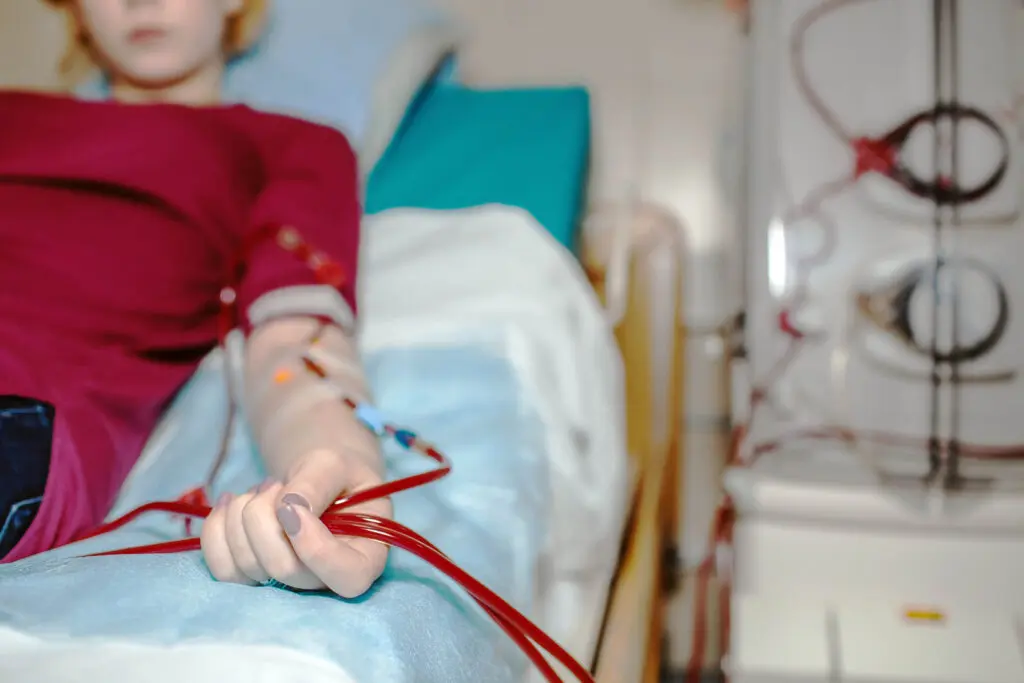
This removal and return of blood to the patient requires the insertion of large needles into the patient’s blood vessels. Normal vein would not be able to withstand repeated cannulation so the AV fistula/AVF or AVG is created surgically to act as a conduit for dialysis access.
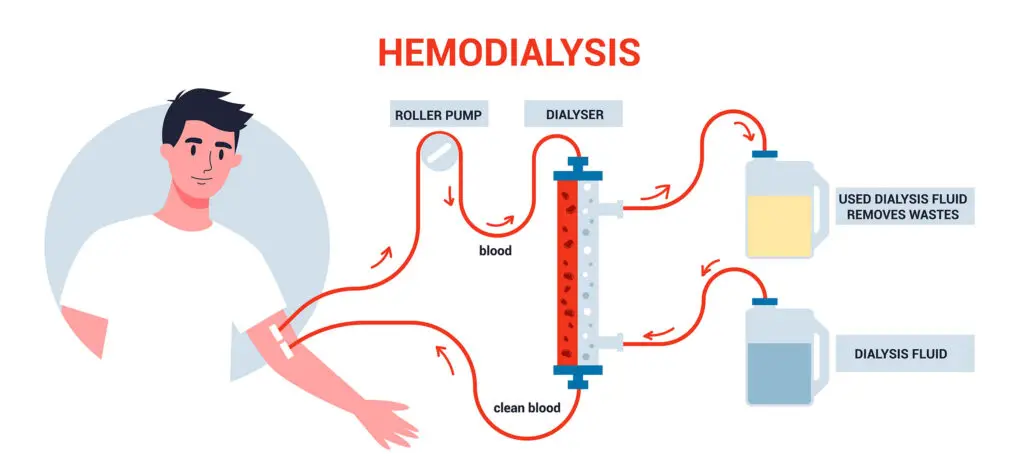
Haemodialysis advantages include a nurse-supervised environment to perform the patient’s dialysis and avoids the need for constant fluid in the patient’s abdomen that comes with peritoneal dialysis. Many patients also like the structure and flexibility of having fixed haemodialysis sessions. Haemodialysis is a good modality for maintenance of fluid and electrolyte balance as well as blood pressure control for patients.
Disadvantages include the need for regular monitoring and occasional maintenance of the AV fistula and the need to wait up to 6 weeks for AVF maturation. During the waiting period, the patient may need the insertion of a temporary dialysis line in their neck vein if the need for dialysis is urgent.
However, once the AVF is mature and functioning well, it can often last for many years.
NB : If you are a patient with chronic kidney disease(CKD) who is approaching the need for dialysis, it is important to discuss the choice between the two modalities above with your kidney doctor or nephrologist.