
Major, international, peer-reviewed Level One research evidence published in high-impact journals such as the Lancet, Stroke, European Journal of Vascular & Endovascular Surgery and British Medical Journal indicates that in patients with:
- Recent (<6 months) symptoms of a TIA/ministroke
- Mild stroke (Rankin score < 3): This means there is little disability or the patient’s daily activities are minimally affected.
- Recent stroke with good recovery with/without IV thrombolysis
who have symptoms attributable to a critical carotid stenosis (>50%) in their neck should have carotid endarterectomy as the first-line operation to prevent further major stroke or death.
The international guidelines from United Kingdom, Europe, North America and Asia including Malaysia are unanimous in recommending carotid surgery as the treatment of choice for stroke prevention.
What is a carotid endarterectomy?
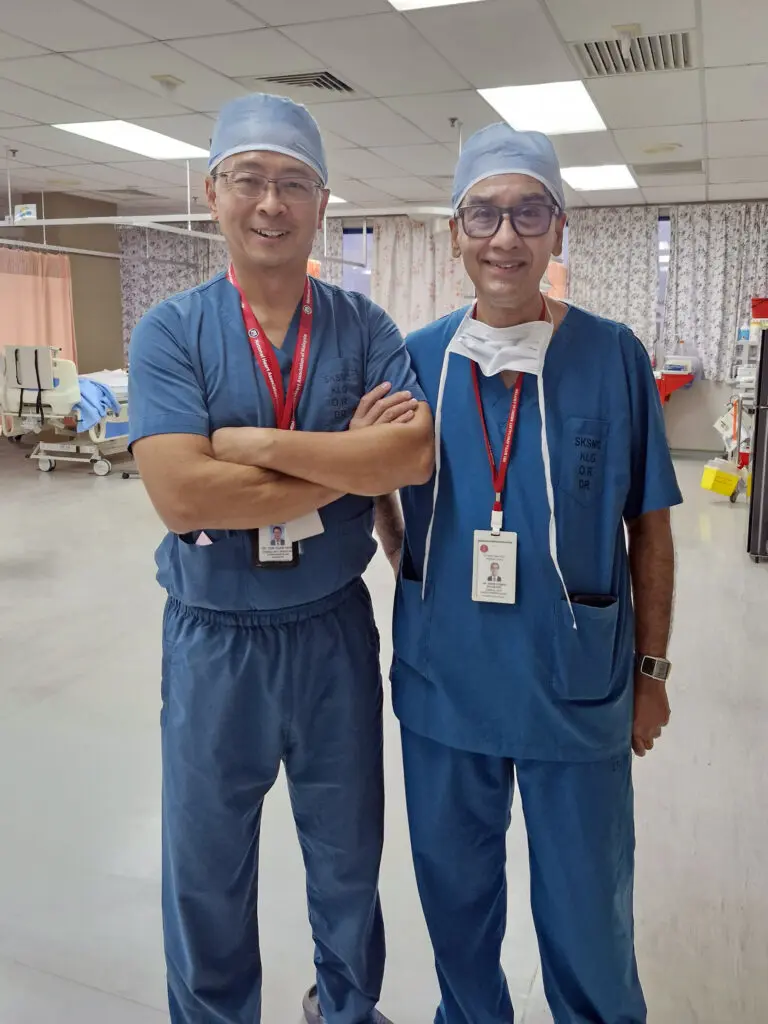
Mr Yow with Dr Sham Kumar, Consultant Vascular Anaesthetist
Carotid endarterectomy(CEA) has been an established operation to prevent strokes for over 60 years. Techniques have been refined over the years to make it ever safer in the 21st century. This includes the use of carotid shunts and cerebral oximetry measurements.
Prior to surgery, the Vascular Surgeon will carefully assess your fitness and need for surgery. He or she will scrutinise your ultrasound and CT scans to confirm that the stenosis matches the side of symptoms and the anatomy of the disease. The Vascular Surgeon will counsel you as to the reason for surgery, what to expect and what are the risks involved. Unlike other major surgery, CEA patients often leave hospital within 2 – 3 days of the operation.
The procedure is usually done under General Anaesthetic with cerebral(brain) blood oxygen monitoring. Cerebral blood oxygen monitoring or cerebral oximetry allows the Vascular Surgeon and his team ensure that the brain is receiving oxygen-rich blood throughout the operation. Any changes in the oxygen levels in the cerebral blood can then be adjusted by manipulating various anaesthetic parameters. Mr Yow works closely with Dr Sham Kumar Sathinand, a highly-experienced NeuroVascular Anaesthetist who specialises in cerebral oximetry monitoring.
During the operation, the Vascular Surgeon will carefully dissect out the carotid artery complex which includes the common carotid, internal and external carotid artery. This involves avoiding some important structures such as veins and nerves before clamping off the carotid arteries. Before he does this, he will work closely with his NeuroVascular Anaesthetist to ensure adequate blood flow to the brain. Heparin is given to prevent clot from forming.
Clamping the carotid arteries protects the brain from further plaque emboli. The surgeon then inserts a carotid shunt which takes oxygenated blood from the heart to the brain while giving the surgeon time to remove the unstable plaque. Mr Yow uses the Pruitt Inahara carotid shunt which is an excellent shunt that gives good blood flow, is flexible and allows regular re-positioning of the shunt. Shunt re-positioning makes it easier to stitch the Vascular patch onto the carotid artery.
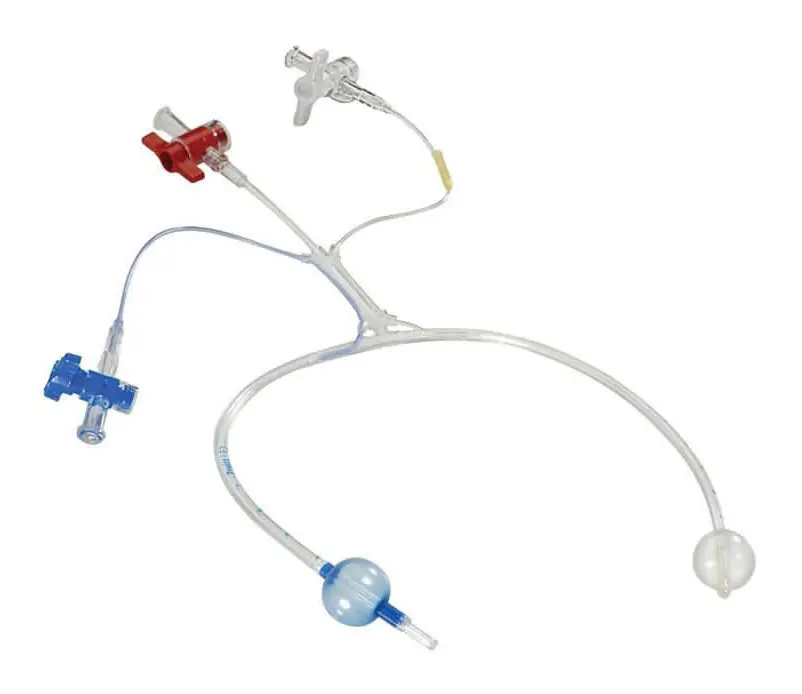
Le Maitre Pruitt-Inhara carotid shunt
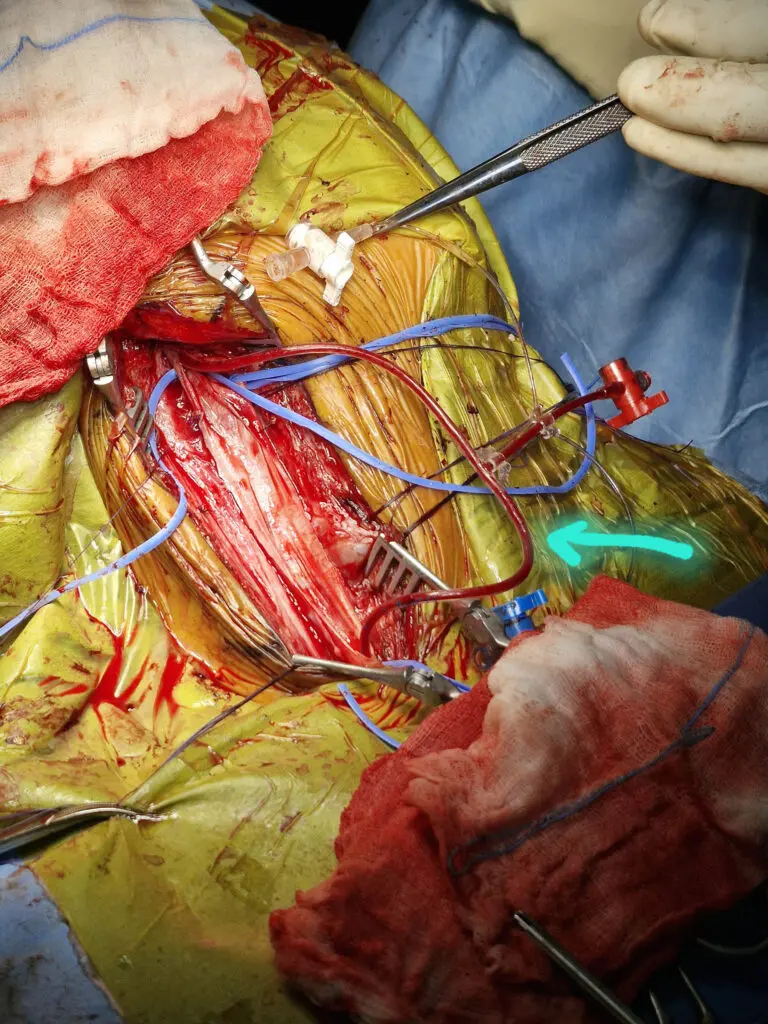
Pruitt-Inhara carotid shunt in place during carotid endarterectomy
The carotid plaque is then removed using a special dissecting instrument. This is the endarterectomy which means cleaning out the artery. During this procedure, one can easily see how the ruptured plaque causes a stroke as the exposed inner plaque often displays soft, jelly-like blood clot or cholesterol debris. In fact, the word ‘atherosclerosis’ which is the well-known disease process describing hardening and narrowing of arteries comes from the Greek word ‘athere’ which means ‘porridge’. It is easy to imagine how this porridge-like cholesterol debris in the ruptured plaque can be pushed up to the brain to block off a blood vessel, thus causing a stroke.
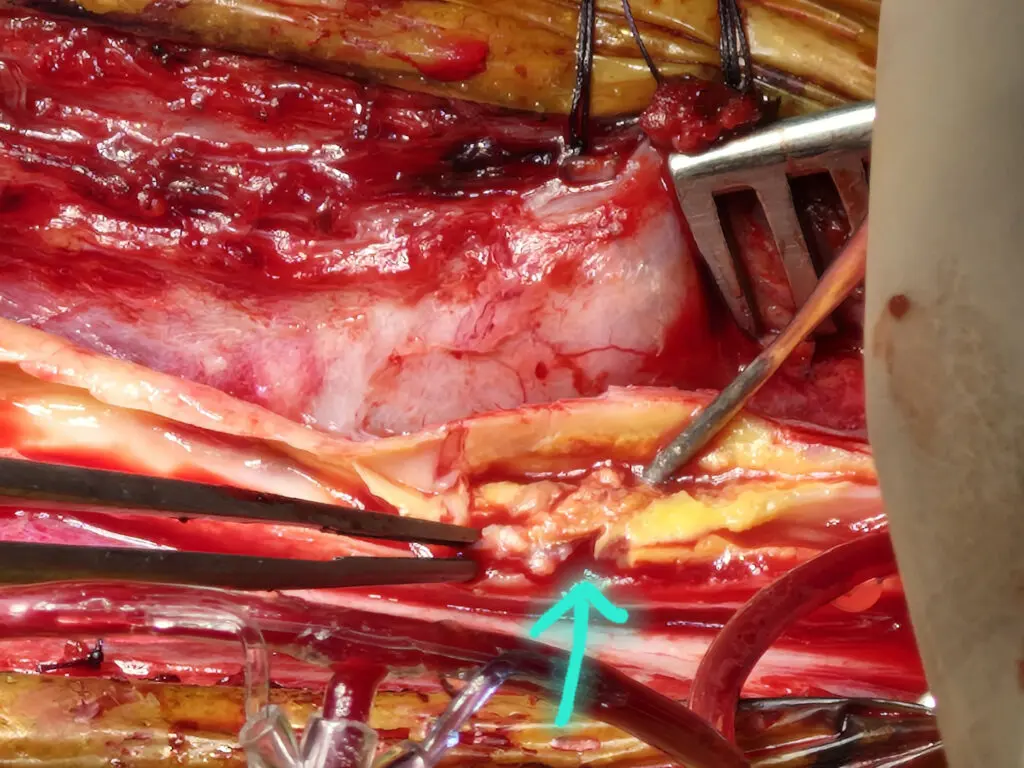
Carotid plaque with clot being removed using Watson-Cheyne dissector
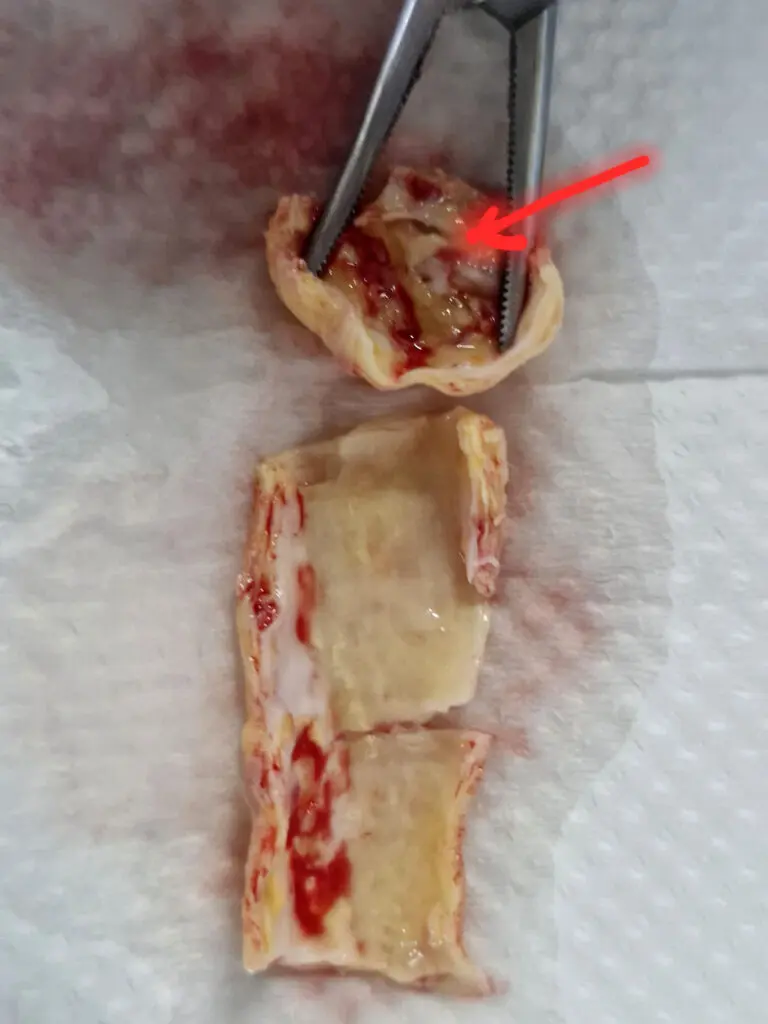
Carotid plaque removed showing carotid web/dissection
Once the plaque is safely removed, the artery is then closed with a bovine pericardial Vascular patch to widen the artery. The bovine tissue-engineered patch used by Mr Yow is a modern advancement on Vascular patches. Previous Vascular patches were made from nylon or synthetic materials. The bovine patch is biological and hence more similar to the carotid artery in terms of its mechanical qualities (compliance) and has better resistance to infection. Better compliance matching allows the patched artery stays open longer in the long-term.
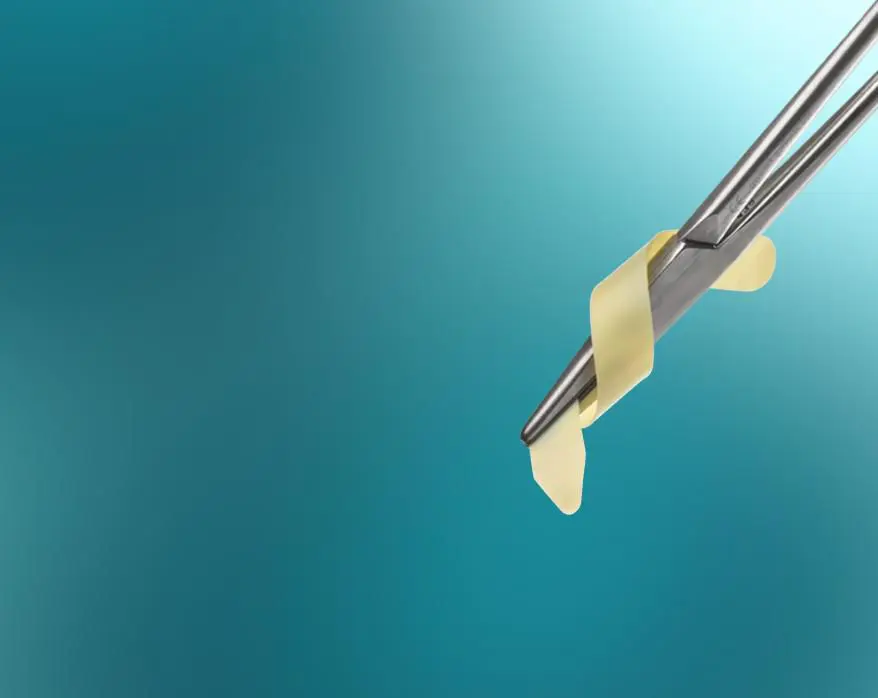
Flexible bovine pericardial carotid patch
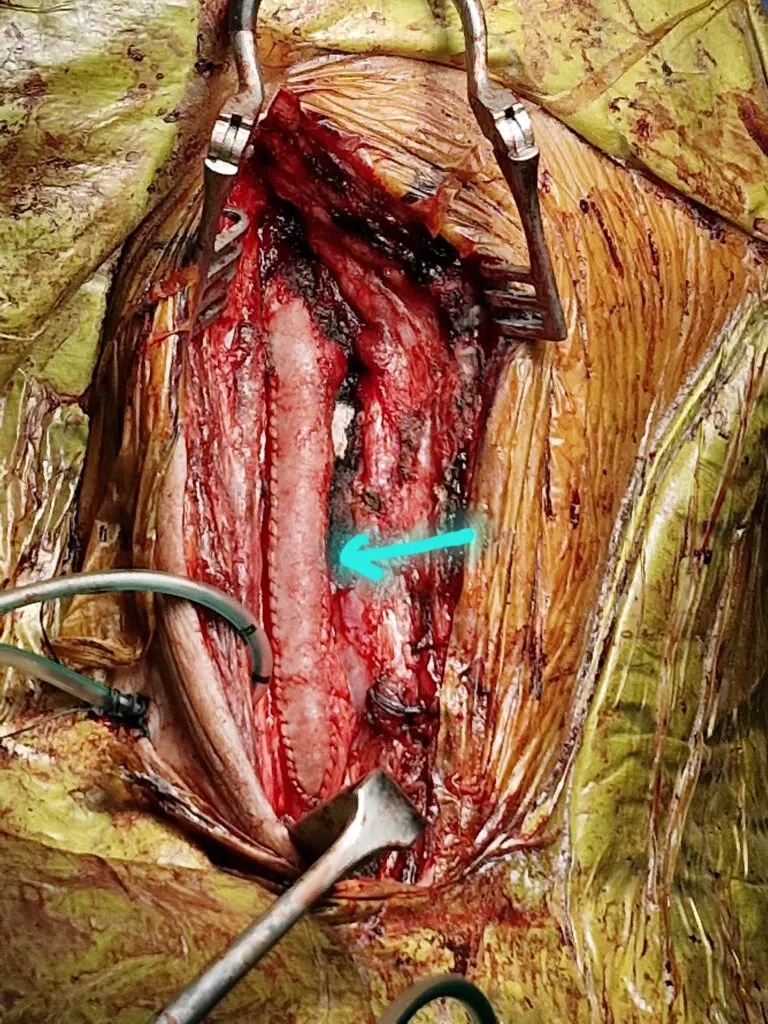
Bovine patch sutured onto carotid artery to widen it
Once the patch closure is near completion, the Vascular Surgeon removes the carotid shunt rapidly, completes the closure of the artery and the wound. He does this in close cooperation with his NeuroVascular Anaesthetist to ensure everything is done safely. The patient is then monitored in the High Dependency Unit before returning home in a couple of days.
What is the Benefit of a Carotid Endarterectomy?
It prevents you from getting a MAJOR stroke or death. In other words, it avoids death or a lifetime of disability, if done in time by the right surgeon. According to the international literature and guidelines, the operation must be done as soon as possible after the initial mini-stroke/minor stroke(index event) for maximum benefit. This is ideally within 2 weeks of the index event and no later than 6 months. In other words, the earlier the better.
This applies to ischaemic TIAs/mini-strokes/minor strokes/strokes with good recovery caused by narrowing of the carotid arteries in the neck(extra-cranial carotid stenosis).
What Are the Risks of Carotid Endarterectomy?
Carotid Endarterectomy(CEA) is a relatively safe procedure in the right hands. CEA has a small risk of stroke/death(1.3% 30-day stroke/mortality from trials). Mr Yow’s own 30-day CEA stroke/mortality rate for the last 10 years has been 0%. Of those 10 years, his operative CEA outcomes have been externally audited by the Royal College of Surgeons of England. This is significantly lower than for stents which is 8.4%. Other risks include heart problems, nerve injury affecting your speech or swallowing (usually temporary), infection and bleeding.
However, CEA involves relatively little physiological upset compared to other major, open Vascular operations and has been used successfully in elderly patients to prevent further major stroke or death. Please bear in mind that the Vascular Surgeon will always take into consideration all of your patient-specific factors before offering surgery. All decisions will be made with you.
Why Carotid Surgery(Not Stents) is First Line Treatment for Recently Symptomatic Patients with Critical Carotid Stenosis
Level One evidence (the highest level of research evidence) from randomised controlled trials (RCTs) and meta-analyses indicate that the risk of stroke is significantly higher with carotid stents (CAS) compared to surgery (CEA). Although rates of heart attack were lower in the stenting groups, the risk of fatal or disabling strokes was higher with stenting. Hence, all clinical guidelines currently recommend CEA as the treatment of choice for symptomatic critical carotid stenosis. Current evidence shows that the maximum benefit of CEA is as early as possible after first symptoms (preferably less than 2 weeks but not longer than 6 months).
One theory why CEA is safer than carotid stenting(CAS) is that prior to placing the stent, the guidewire required to position the stent can push the soft clot in the ruptured plaque up to the brain. This is because even with attempts to use filters or embolic protection devices(EPD), a guidewire is required to cross the ‘hot zone’ of unstable plaque prior to filter placement. A recent study in the high- impact Journal of Vascular Surgery comparing the brain MRIs of patients who had CEA versus those who had stents showed that those who underwent stents had substantially more new areas of blocked brain arteries(new ischaemic brain lesions) compared to those who had surgery. This was irrespective of whether a carotid filter (EPD) was used during stenting.
In comparison, in carotid surgery, the arteries are clamped before dealing with the ruptured plaque which likely minimises any clot travelling to the brain to cause a peri-procedural stroke.
Based on the results above, carotid stenting can only be recommended as an alternative to surgery in a small subgroup of patients who have a scarred neck (burns, radiotherapy, previous neck surgery). However, this should be performed in highly specialised, high-volume centres.
Thirty-day outcomes following carotid artery stenting (CAS) versus carotid endarterectomy (CEA), stratified for timing after symptom onset in a meta-analysis of symptomatic patients randomised in Carotid Revascularization versus Stenting Trial (CREST), The International Carotid Stenting Study (ICSS), Endarterectomy versus Stenting in patients with Symptomatic Severe carotid Stenosis (EVA-3S), and Stent Protected Angioplasty versus Carotid Endarterectomy (SPACE)

Data are presented as n (%). CEA = carotid endarterectomy; CAS = carotid artery stenting; OR = odds ratio; CI = confidence interval. Based on data from Rantner, et al.
Major international guidelines from Vascular Societies and national health services such as the UK NHS recommend CEA as the operation of choice in preventing further major stroke or death in symptomatic patients with a carotid narrowing of greater than 50%. The Malaysian Stroke Guidelines have a similar recommendation.
As such, in all major Vascular centres across the developed world (Europe, UK, United States, Japan & Australia), carotid endarterectomy is the first line operation in patients who have had a recent TIA, minor stroke or a stroke with good recovery with or without thrombolysis (see above).
The Take Home Message : ‘In recently symptomatic carotid stenosis, CAROTID SURGERY IS SAFER THAN STENTS.’

To listen to Dr Yow’s Podcast Interview by BFM Radio 89.9, please click here.
What to look for when searching for a Carotid Specialist?
- How many CEA/CAS procedures has the Vascular Surgeon or Radiologist performed?
- Has the Specialist trained in that procedure (CEA or CAS) in a recognised Fellowship or Training programme?
- What are the Specialist’s individual results ? What is their (not quoted results from literature) stroke or mortality rate for the procedure? Has it been externally audited?
Case Study : Complex Carotid Endarterectomy with Heart Failure & Incomplete Circle of Willis
Mr Giantono was a 74 year-old Indonesian man who came to Mr Yow with weakness in his left arm which settled after a few minutes. He had several more episodes of arm weakness. These were classical Transient Ischaemic Attacks(TIAs) or mini-strokes. He went to see a doctor in Yogjakarta, Indonesia. A CT angiogram showed that he had 90% stenosis in his right carotid and 75% stenosis in his left carotid.
He had a history of severe ischaemic heart disease with 3 coronary stents as well as diabetes, hypertension and high cholesterol. His Indonesian doctor suggested having carotid stents. However, he decided to get a second opinion from a Neurologist in a major private hospital in Penang.
The Neurologist referred Mr Giantono to Mr Yow, Consultant Vascular Surgeon in Sri Kota Specialist Medical Centre in Klang. Mr Yow performed a careful assessment of Mr Giantono’s fitness for surgery. This showed he was high risk for a CEA as he had moderate heart failure. He had an ejection fraction of 28%. Mr Yow then requested a special echocardiogram called a Dobutamine Stress Echocardiogram to ensure that Mr Giantono could raise his blood pressure during his proposed carotid surgery.
Mr Giantono’s CT angiogram of his brain also showed that the Circle of Willis – which was the crucial backup circulation in his brain – was severely blocked. In fact, almost half of his Circle of Willis was absent or blocked. This made his carotid operation even more high risk. The Vascular Surgeon who performed his CEA would have to perform his carotid shunt very rapidly.
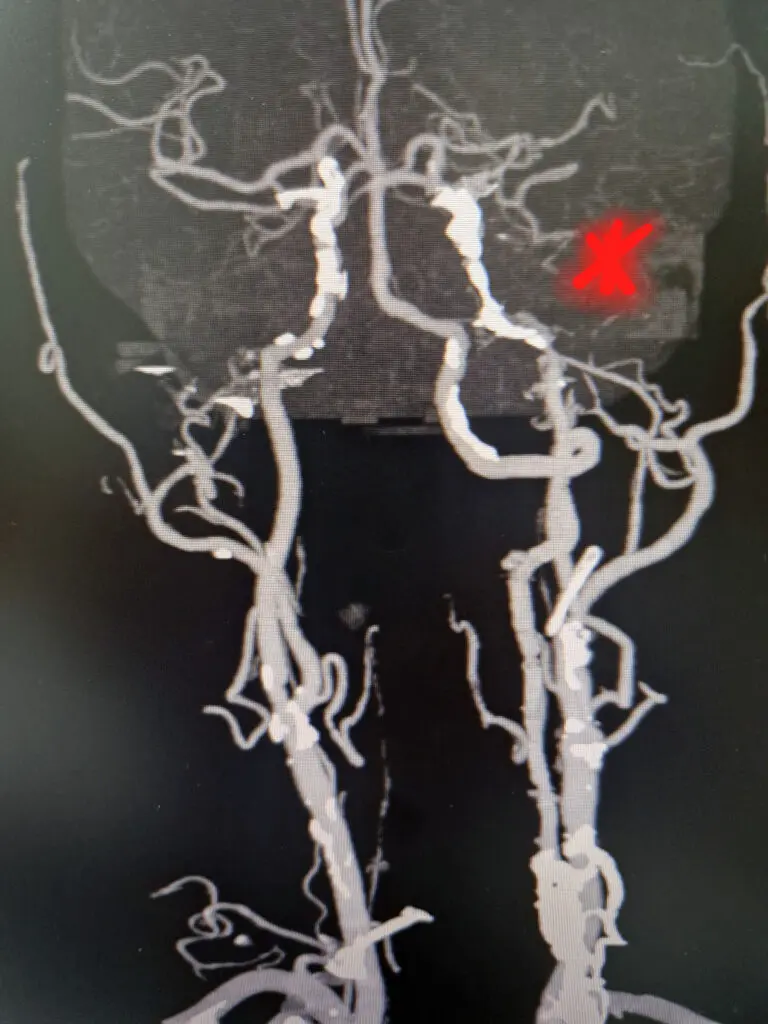
CT angiogram showing badly diseased and incomplete Circle of Willis
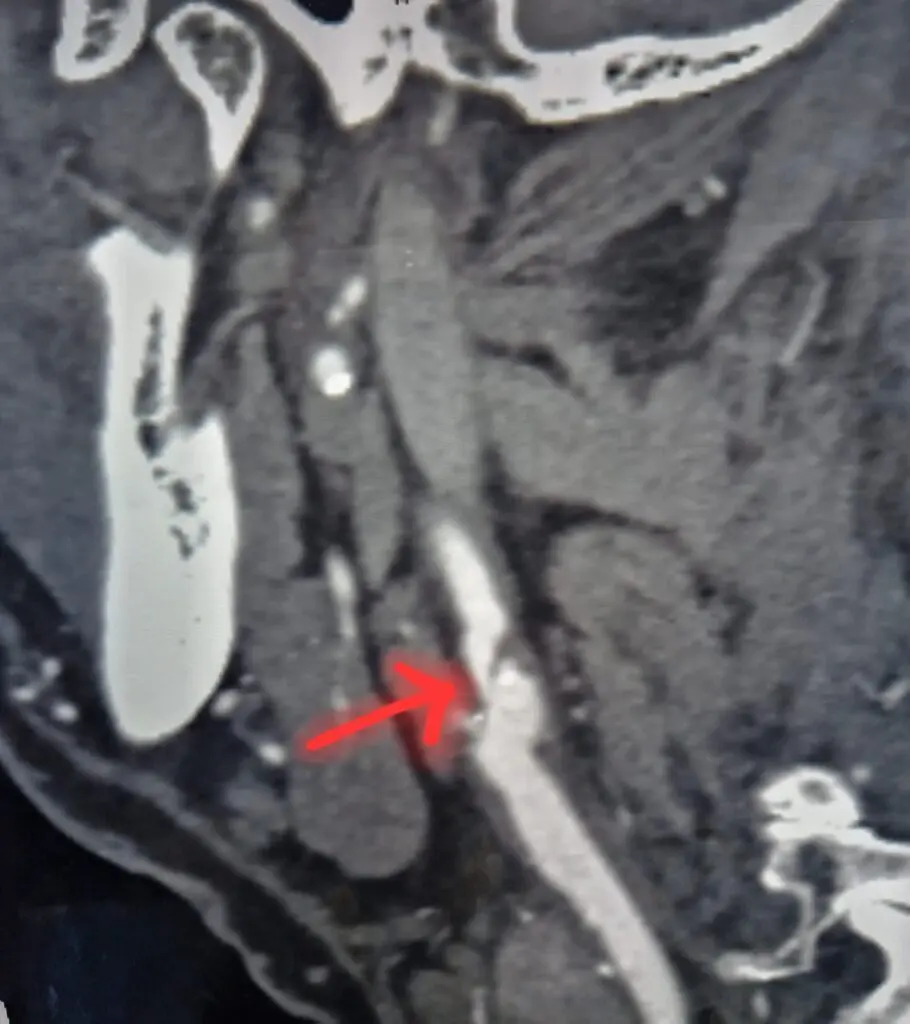
CT angiogram showing carotid stenosis with web/dissection
A carotid stent was a bad idea as he had a plaque with a web or possible dissection.
Mr Yow counselled Mr Giantono and his family about the high risk nature of his CEA. He had a high risk of peri-operative stroke due to his partially absent brain circulation and moderate heart failure. However, without surgery he was at risk of a major stroke or death.
After careful deliberation with his Anaesthetist, Dr Sham, Mr Yow decided to proceed with a plan in place. This involved cerebral oximetry monitoring, rapid carotid shunting and keeping his blood pressure high while the shunt was being inserted.
During surgery, Mr Yow was able to insert Mr Giantono’s carotid shunt in 2 minutes. During this time, Dr Sham kept the patient’s blood pressure high enough to ensure he had good supply of oxygen to his brain.
Mr Giantono’s operation was technically difficult as he had a rotated carotid artery and his carotid bifurcation(the point where the common carotid artery branches into the internal and external carotid), was placed high in his neck. However, Mr Yow was able to deal easily with this.
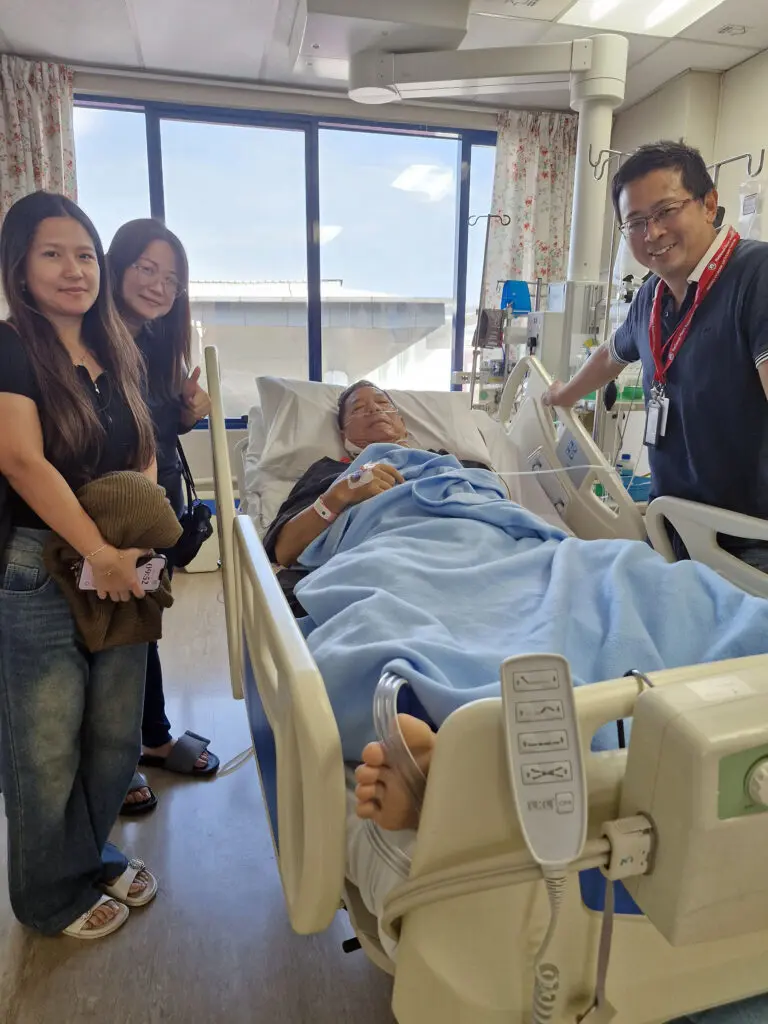
Mr Yow with Mr Giantono and family day 1 post CEA

Mr Giantono walking on 2nd post-operative day
Mr Giantono woke up uneventfully after his operation. After 3 days in HDU, he was discharged with no further TIAs. He was able to marry off his daughter less than a month later. Mr Giantono’s story has been featured in The Sunday Star newspaper. Read his daughter, Anastasya’s Google Five-Star Review here.
Mr Giantono’s successful case under Mr Yow’s expert hands is evidence that with careful assessment, preparation, a good team and surgical skills, excellent outcomes can be achieved even in high-risk, complex cases like Mr Giantono’s.