
1. Angioplasty and/or Stenting
If the AVF has a narrowing and you have seen the Endovascular Surgeon in time, then it may be possible to perform a balloon angioplasty(fistuloplasty) to open up the stenosis. Sometimes if the stenosis is very resistant to the balloon, the Surgeon may use a stent to open it up.
There are now new balloons which are coated with a special drug which prevent repeat narrowing. These are called Drug Eluting Balloons(DEBs). However, they are very expensive.
Angioplasty or fistuloplasty can be done as a day case procedure and you can resume dialysis the next day.
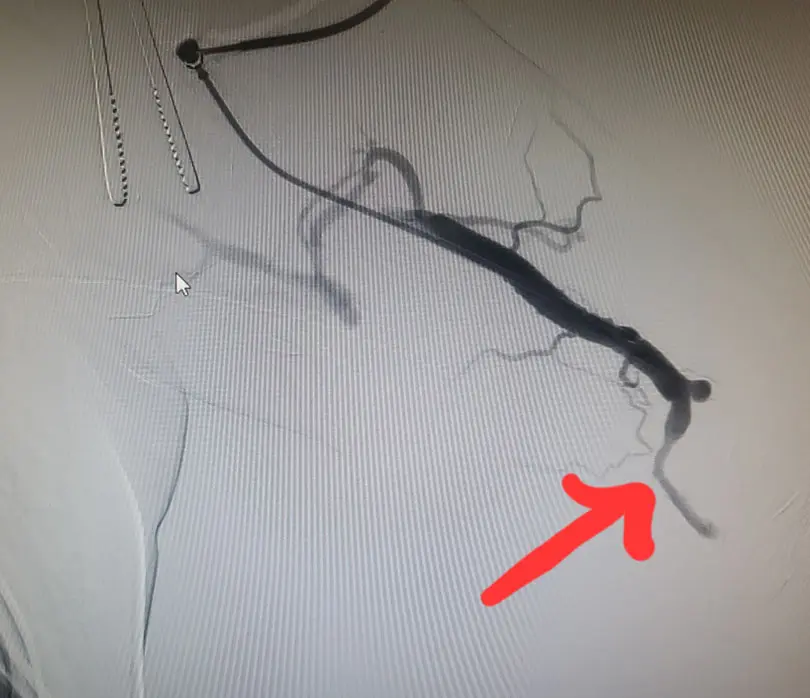
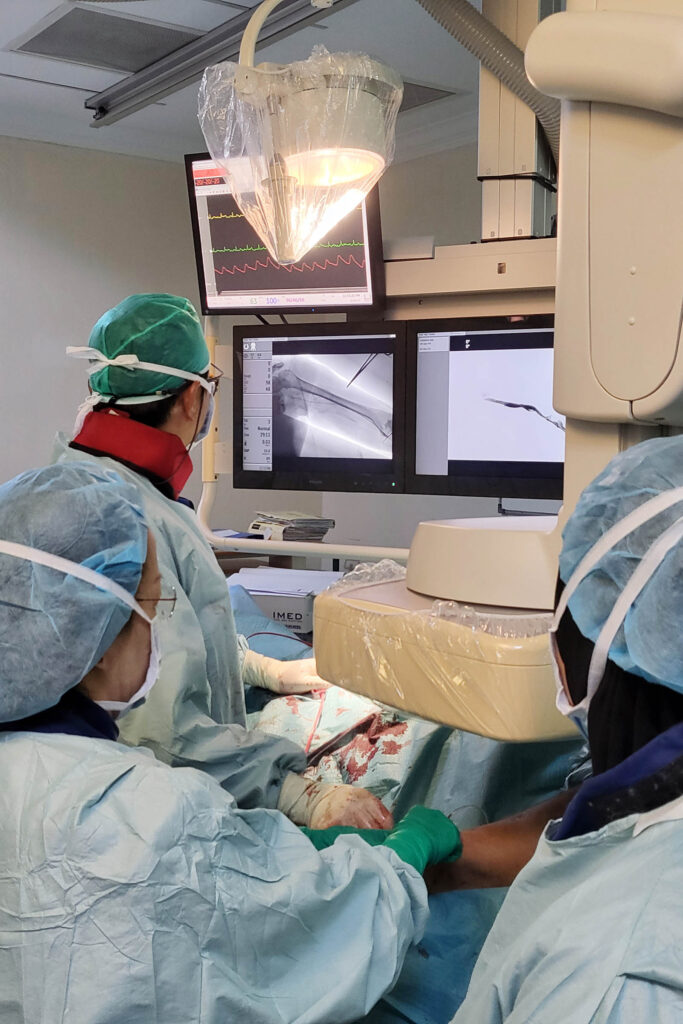
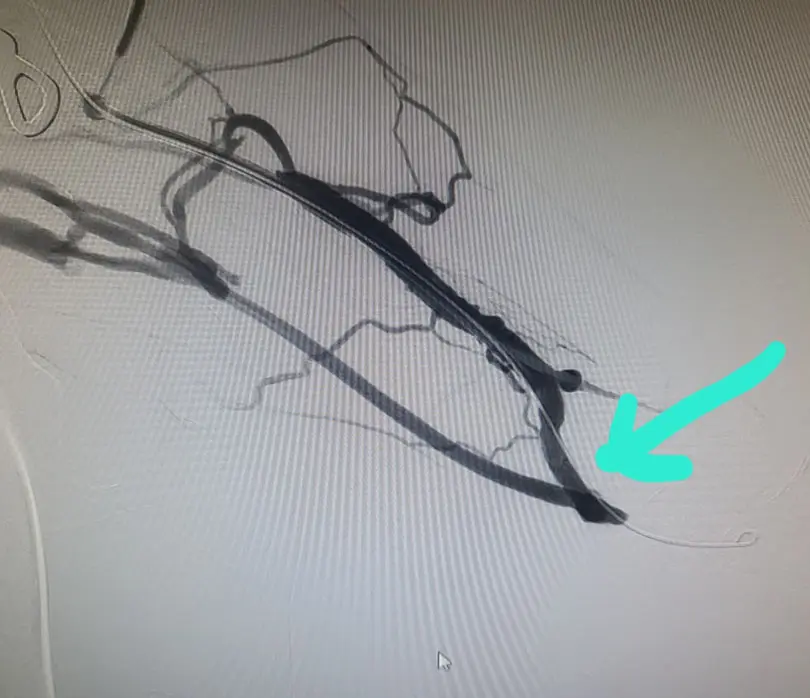
Making the most of your AVF : Balloon angioplasty of narrowing in the fistula keeps AVF running longer.
2. Thrombectomy : Endovascular or Open/Hybrid
If the AVF is blocked with fresh clot(usually within 24 hours), then it may be possible to remove the clot with a thrombectomy device which breaks up the clot and sucks it out or using a balloon embolectomy where an inflatable balloon is used to pull the clot out.
There is usually a stenosis which also needs angioplasty to open it up.
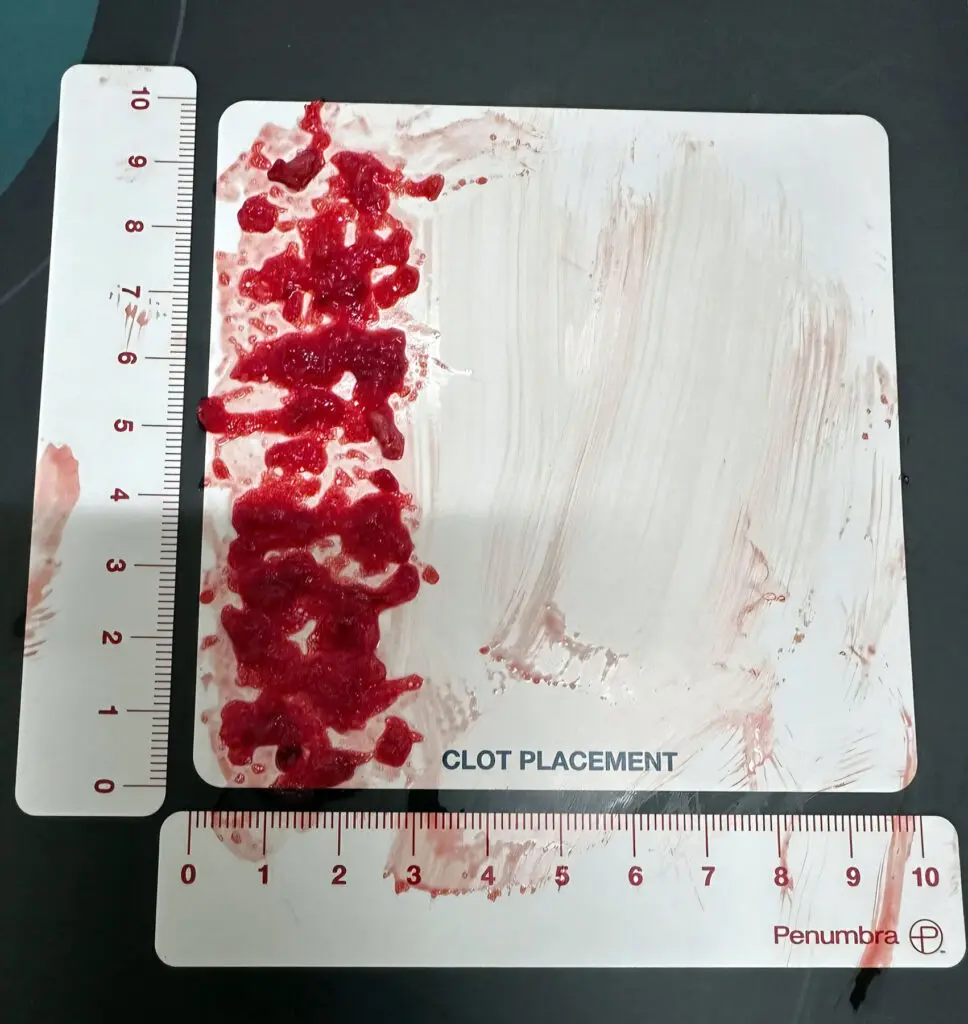
Clot removed from a blocked AVF using the Penumbra mechanical thrombectomy device.

Narrowed AVF widened using open surgery with a bovine pericardial patch.
3. Open surgery : Revision of Fistula and Patch Plasty
Sometimes, the narrowing or stenosis is very resistant to opening up using balloon angioplasty, even with specialised balloons such as scoring or cutting balloons. It may be in a position where it is unsuitable to place a stent. Your Vascular Surgeon may decide it is easiest and most cost-effective to perform open surgery. The stenosis is widened by stitching a vein patch over the area. This is called a patch plasty. It can be very effective and in most situations may last longer than a plain balloon angioplasty (POBA).
The key aspect is that your Vascular Surgeon is dual-trained – he or she can perform both Open Surgery and Endovascular procedures well. This way you are ensured of all possible treatment options. It is also crucial that your Vascular Surgeon is involved in all parts of your patient journey from the pre-operative planning and counselling to meticulous surgery to postoperative monitoring and maintenance of your very precious AVF. Remember, your AVF is your lifeline!
KHY/041025